
IVRS-Based Cough Syrup Monitoring in 12 Districts of Himachal Pradesh.
Partner: Jhpiego India
Implemented a comprehensive IVRS-based monitoring solution for cough syrup monitoring with dashboard and data analytics across 12 districts of Himachal Pradesh to support early tuberculosis (TB) detection and reduce delays in diagnosis.
- Duration
- 28 Aug 2024 – 30 Apr 2025
- Sector
- Public Health & Nutrition
- Capability
- IVRS-Based Solutions
- Geography
- Himachal Pradesh
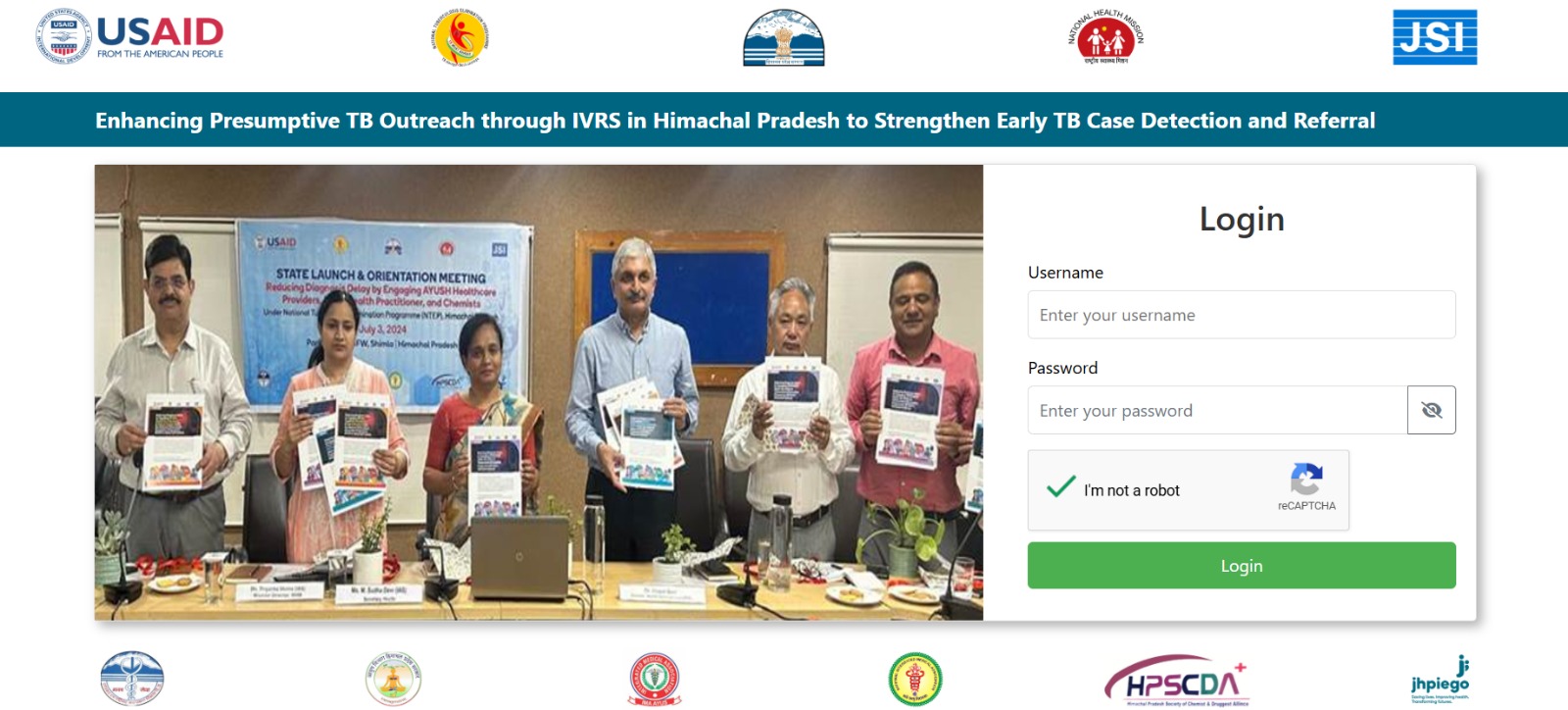
Project overview
The TB Screening and Follow-Up IVRS Monitoring Platform is a technology-enabled public health solution designed to support early tuberculosis (TB) detection, improve patient follow-up, and reduce delays in diagnosis. Implemented across 12 districts of Himachal Pradesh, the project leverages an Interactive Voice Response System (IVRS) to conduct automated outreach and strengthen the TB care cascade through timely communication and data-driven monitoring.
Scope of work
The platform delivers automated outbound voice calls to individuals who have been prescribed or dispensed cough syrup through chemists, rural healthcare providers, and AYUSH practitioners, as well as presumptive TB cases who have not undergone TB testing. Additionally, the system follows up with individuals who have undergone testing but were not diagnosed with TB, encouraging appropriate health-seeking behavior and continued vigilance. Beneficiaries receive scheduled follow-up calls at predefined intervals, ensuring continuous engagement and promoting awareness regarding TB symptoms, testing services, and available healthcare facilities. A comprehensive web-based dashboard provides real-time monitoring and reporting capabilities, enabling programme managers to track key performance indicators such as number of individuals reached, call pick-up rates, call completion rates, listening duration, follow-up call coverage, and uptake of TB testing services following outreach. Detailed analytics capture missed calls, successful connections, user responses, call durations, and option selections, allowing stakeholders to assess programme effectiveness and identify areas requiring intervention.